

H1: Reading the fine print on session timeout rules
Most punters would rather sit through a delayed Sydney train than read the terms page. You know the drill. Load the site, tap the login, and hope the machine does not kick you out mid-hand. The surprise is how often a session timeout casino account Australia players bump into sits quietly in the fine print, not on the homepage. You feel it first when the screen fades on a winning streak and the wallet locks before you can tap withdraw. That’s the moment the small print starts running the show.
A decent operator writes the timeout rules like a receipt, not a riddle. You can spot the pattern if you know where to look. Some sites ping you out after fifteen idle minutes. Others let you ride longer if you keep clicking. The rules shift depending on whether you are playing live tables or spinning a pokies screen. You do not need a law degree to decode it. You just need to know which lines actually matter.
What the timeout clock actually measures
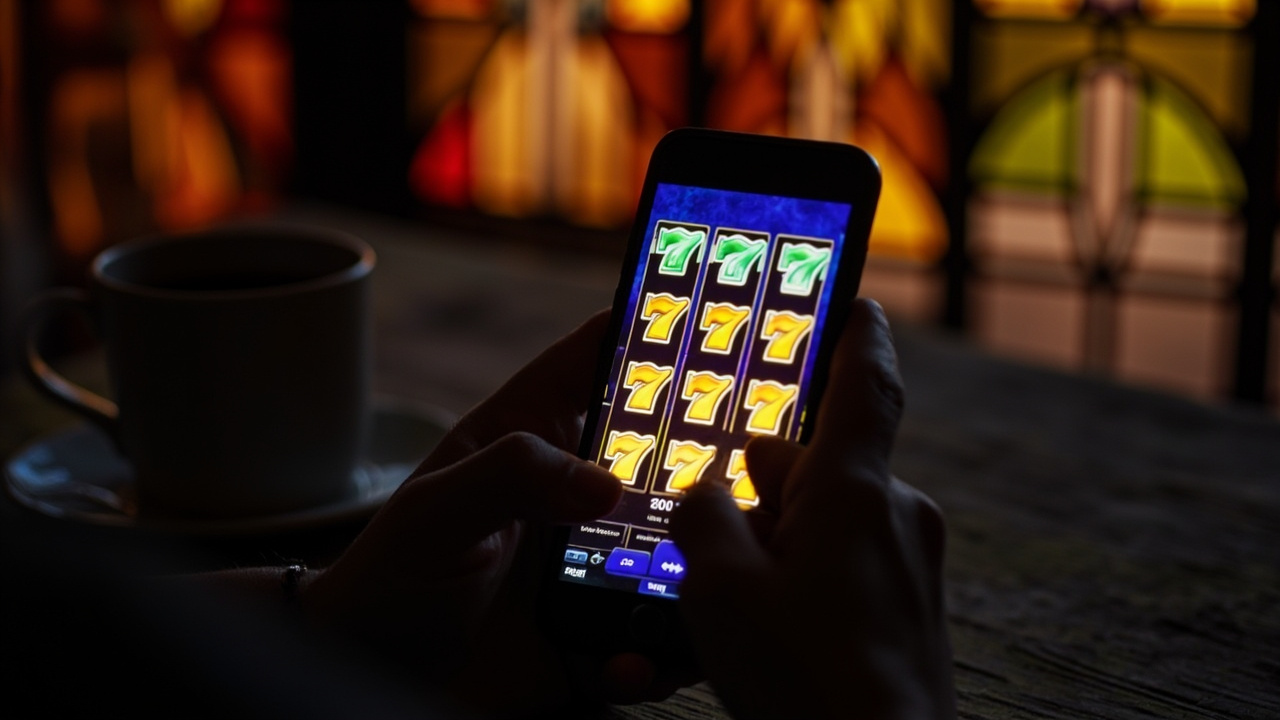
The timer is not counting your wins. It counts stillness. You leave the tab open, walk to the kitchen, and the clock keeps going. Most operators define inactivity as no mouse click, no tap, no bet placed within the stated window. That window can sit anywhere from ten minutes to half an hour, depending on the product and the jurisdiction of the licence holder. You should treat any longer figure as a courtesy, not a promise.
A few sites reset the counter when a video ad plays or a bonus wheel spins. That sounds generous until you notice it only applies to the promotional screen, not the main table. You can test the behaviour on a dummy login if you want to see it in action. Log in, sit on a single number, and watch the timer tick. If the page refreshes itself without you touching anything, the operator is tracking server-side idle time, not your screen.
Why operators cut the cord
The reason is not spite. It is risk control. A live session left open on a shared device becomes a theft risk, a bonus abuse risk, and a compliance headache all at once. The Hippodrome in London was converted into a landmark casino, and the old venue logic still echoes in modern risk rules: keep the floor tight, keep the doors moving, keep the ledger clean. Online sites borrow that instinct. They would rather drop you mid-session than leave an account hanging in a public browser.
You feel the trade-off the moment a timeout wipes your in-play markers. Some operators restore your last bet slip. Others start you fresh. The difference matters more than the timeout length itself. A short timer with a clean restore beats a long timer that forgets your stack.
Where the rules hide in the fine print
You will not find the timeout clause under «How to Play». It usually lives inside «Account Security», «Responsible Gaming», or «General Terms». The wording tends to be broad enough to cover mobile, desktop, and app versions in one sweep. That breadth is the trap. A paragraph that says «the session may end after a period of inactivity» does not tell you whether a pending bonus spin counts as activity or not.
Read the sentence that mentions «automatic logout» and the sentence that mentions «inactive». If those two sentences do not agree, the operator is leaving itself wriggle room. You can flag the gap before you deposit. A mismatch between the security clause and the bonus clause is the kind of thing a sharp reader catches before a frustrating logout. Some players also check the operator’s own help pages, and you can cross-check the wording on royallahainachallenger.com before you put money in.
The Gold Coast reality behind the screen
A Gold Coast punter sitting in a Surfers Paradise apartment after a beach shift is not thinking about server clocks. They are thinking about the next shift, the rent due on Tuesday, and whether the entertainment budget can afford another twenty minutes. Cost-of-living pressure changes how people read a timeout rule. When every dollar has a job, a logout that wipes a pending withdrawal feels personal, not technical.
Payday rhythms shape the same reading on the ground. A lot of local workers get paid fortnightly, and the entertainment budget tends to land in the middle of the cycle, not at the start. That means a session that times out on day three of the pay cycle can sting harder than one that times out on day ten. The rule is the same. The mood is not. You read timeout terms differently when the wallet is already stretched.
A short chat about a logout that cost time
«You were mid-spin when the screen went pale,» said the mate at the next table.
«Yeah, and my bonus tracker vanished with it,» came the reply.
«Did you check the inactivity clause?»
«I checked the withdrawal page instead. Same story. No note, no timer, no help.»
That exchange happens more often than operators admit. Two players can sit on the same site and read the same rules, yet one gets a restore prompt and the other gets a blank slate. The difference is usually a setting, a product type, or a browser that kept a stale token alive. You do not need to guess which one you are. You just need to know what to check before you complain.
How to keep your session alive without breaking rules
You can manage the clock without cheating it. The goal is steady activity that the system reads as genuine, not frantic clicking that looks like a bot. Each operator defines «activity» slightly differently, so the safe move is to stay inside the stated window and keep your actions visible to the game layer. A few practical moves help more than a dozen wishful thoughts.royallahainachallenger.com
- Log in from a private browser on your own device so a shared session does not steal your timer.
- Keep the tab focused during live tables, because some products only count input when the window is active.
- Place a small, normal bet before a longer break so the game layer records a fresh action.
- Note the stated idle window in your own notes, because ten minutes on one product can be thirty on another.
- Close other apps that might freeze the browser, since a hung tab can look like inactivity to the server.
- Check whether the operator resets the timer on promotional screens, because that reset often does not carry over to the main game.Smartcompany
The exact phrase players search for, decoded
You will see the search term session timeout casino account Australia pop up when a logout has already happened and the player is chasing an answer. That is backwards. The useful reading happens before the first deposit, not after the first shock. The phrase itself is just a shorthand for three things: the idle window, the restore behaviour, and the device or browser conditions that can end a session early.
Read those three pieces as a single rule, not three separate annoyances. A site that logs you out fast but restores your last bet slip is running a different model from one that keeps you logged in and then forgets your markers. The search term tells you what hurt. The terms tell you why. You want both before you decide where to put your money.
When a timeout wipes a pending withdrawal
A timeout should not touch a withdrawal that has already been requested. If it does, you are looking at a processing delay, not an idle timer. The request should sit in the queue regardless of whether your screen stays open. The confusion comes from mixing two separate flows: the game session and the cash-out process. One can close while the other keeps moving.
Check the withdrawal status page first, not the login screen. If the status shows pending, the session state is irrelevant to the money. If the status is missing or reset, you have a different problem, and the timeout clause is not the one to blame. You can compare the wording on a neighbour site’s help section, and a short read on smartcompany.com.au shows how business terms often hide the real process behind friendly language.
How to complain without wasting the weekend
Start with the clause, not the emotion. Quote the exact sentence that defines inactivity, then quote the sentence that covers logout behaviour. If those two do not match, you have a real point. If they do match and your session ended inside the stated window, the operator is likely within its own rules. That does not mean you cannot ask for a restore. It means you are asking for discretion, not a correction.
Keep the timeline tight. Send the query with the date, the product, the approximate idle time, and the state of the screen when it cut out. A vague «it kicked me out» gets a vague reply. A specific note gets a specific check. You will know within glueckstier-pirmasens.de a day or two whether the restore is possible, and you will know whether the operator treats its own terms as a suggestion or a rule.
Reading the rule once beats re-reading it after a shock
A timeout clause is a small piece of text with a large effect on your evening. Read it before you deposit, not after the screen fades. Match the idle window to the product you play, and match the restore behaviour to the way you actually play. If the two do not fit your habits, look elsewhere. A fine-print decoder only works when you use it before the money goes in.